What is Silicone Hydrophobic Powder & How Does It Improve Cement Durability?

Introduction

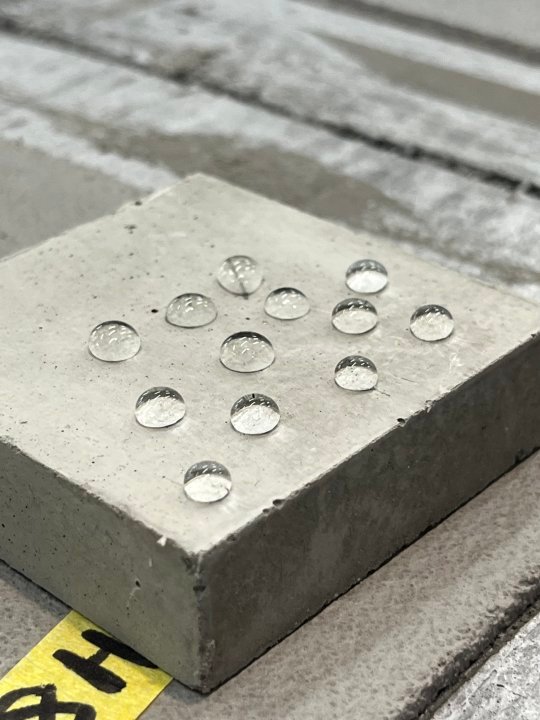
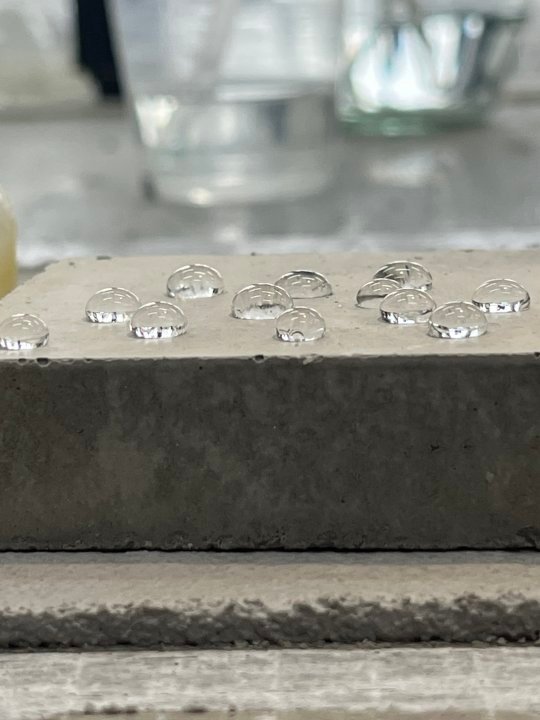
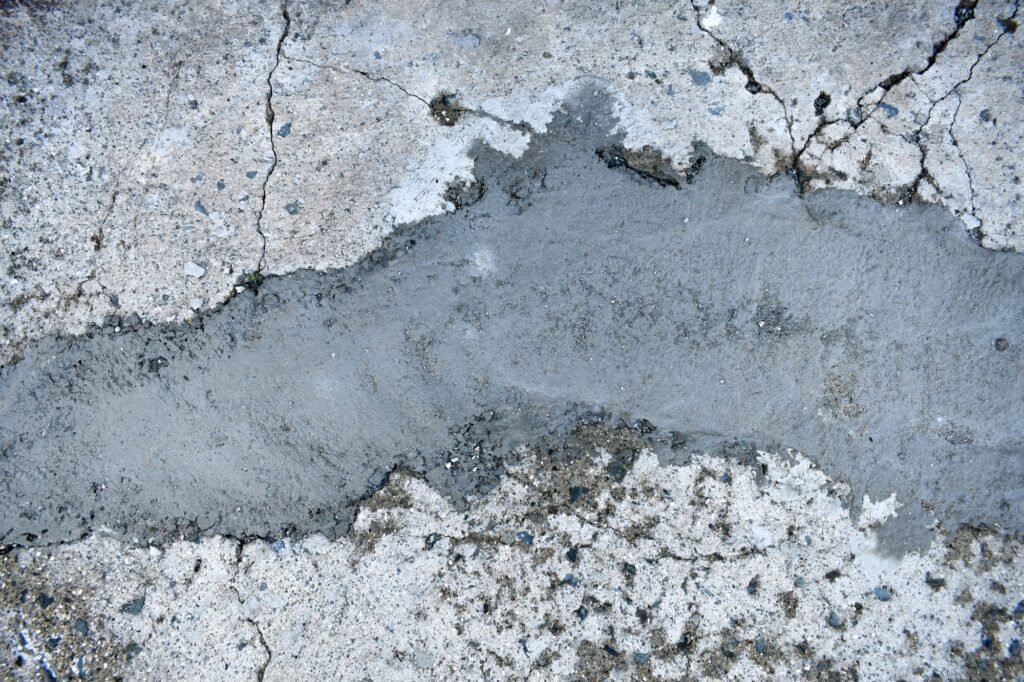
Water damage is one of the biggest challenges in construction. Over time, moisture weakens cement-based structures, leading to cracks, mold growth, and overall deterioration. Traditional waterproofing methods, like coatings and sealants, often degrade due to exposure to weather and wear. But what if there was a way to integrate waterproofing directly into cement? That’s where silicone hydrophobic powder comes in. LANDU Silicone Hydrophobic Powder is a game-changer for construction professionals. By adding this powder to cement mixtures, you can significantly enhance water resistance, improve durability, and extend the lifespan of your structures.

What is Silicone Hydrophobic Powder?

Silicone hydrophobic powder is a free-flowing, water-repellent additive that improves the waterproofing properties of cement-based materials. It is made by encapsulating hydrophobic agents (like silane or siloxane) within a hydrophilic shell, allowing for easy dispersion in mortar and concrete mixes.

Key Features:

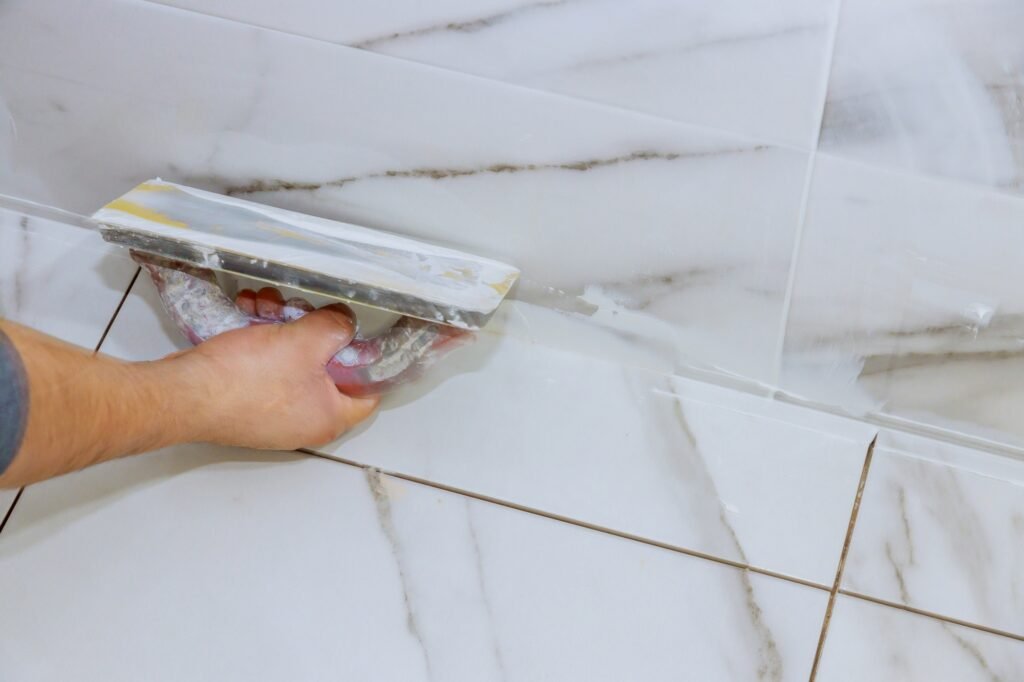
Bathroom tiling by manual worker grouting tiles with trowel cement mortar

What is Hydrophobic Powder Used For?

Silicone hydrophobic powder is widely used in cement-based construction materials to enhance their water resistance. Here are some common applications:

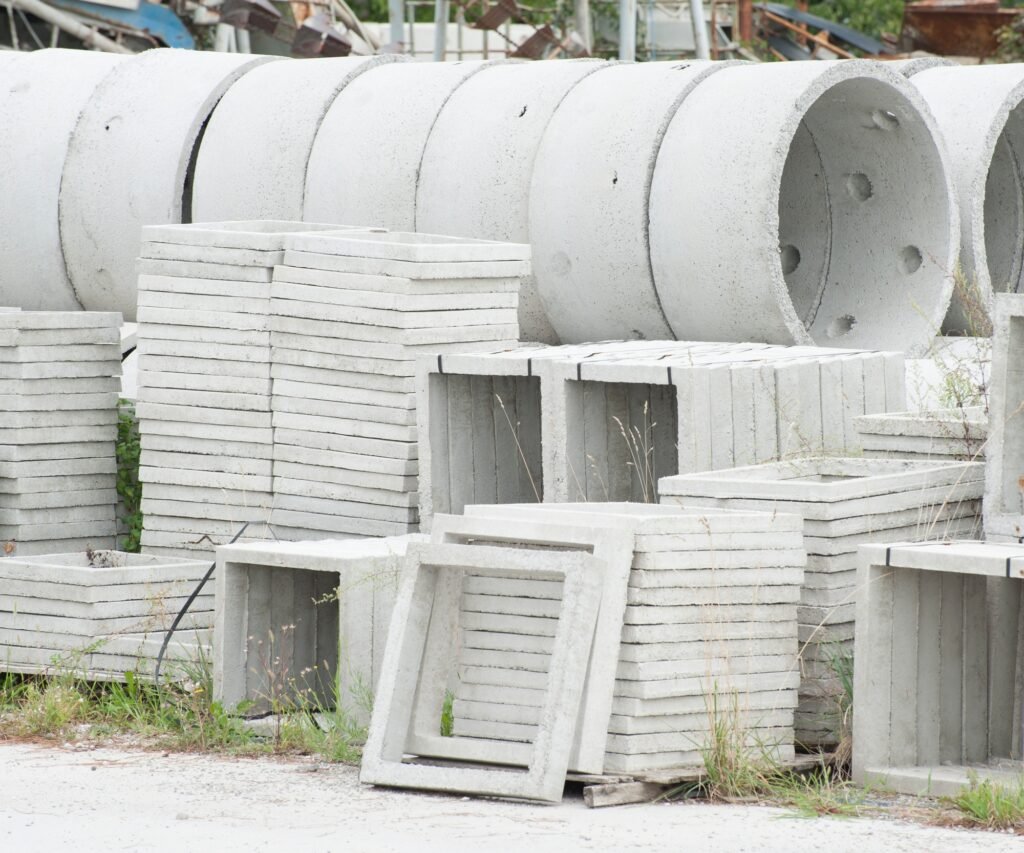
Various types of prefabricated concrete for discharges

1. Concrete & Cement

  • Used in precast concrete, self-leveling cement, and dry-mix mortar
  • Protects concrete surfaces from rain, humidity, and freeze-thaw damage
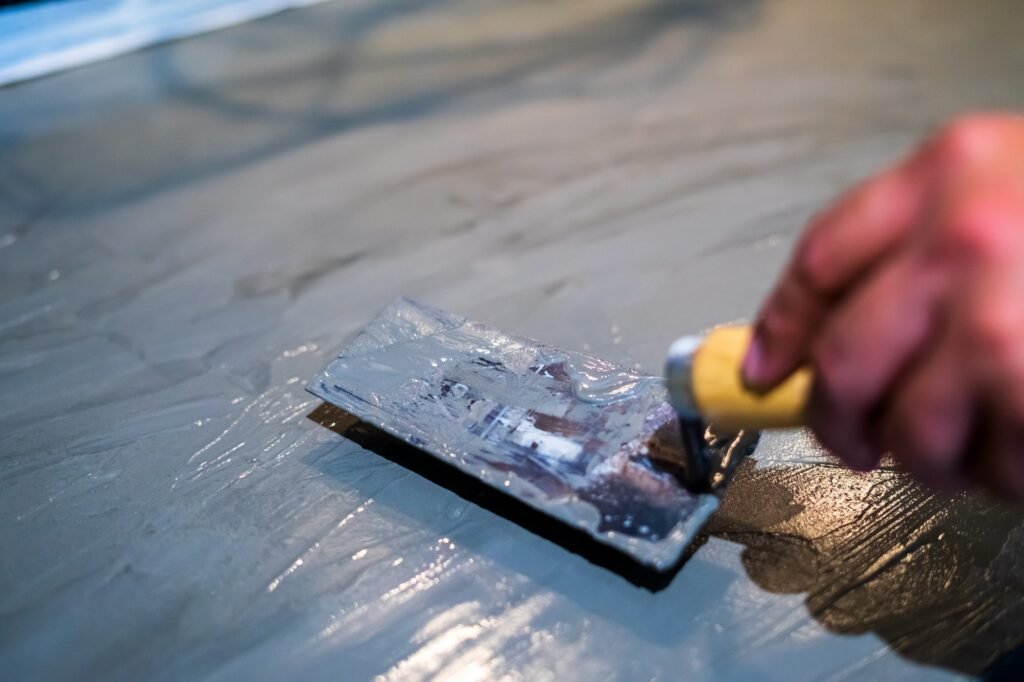
closeup of concrete plaster coating on the kitchen table top with a trowel in the background.

2. Waterproof Mortar & Grout

  • Essential for tile adhesives, tile grout, and masonry mortar
  • Prevents water infiltration in bathrooms, swimming pools, and outdoor surfaces
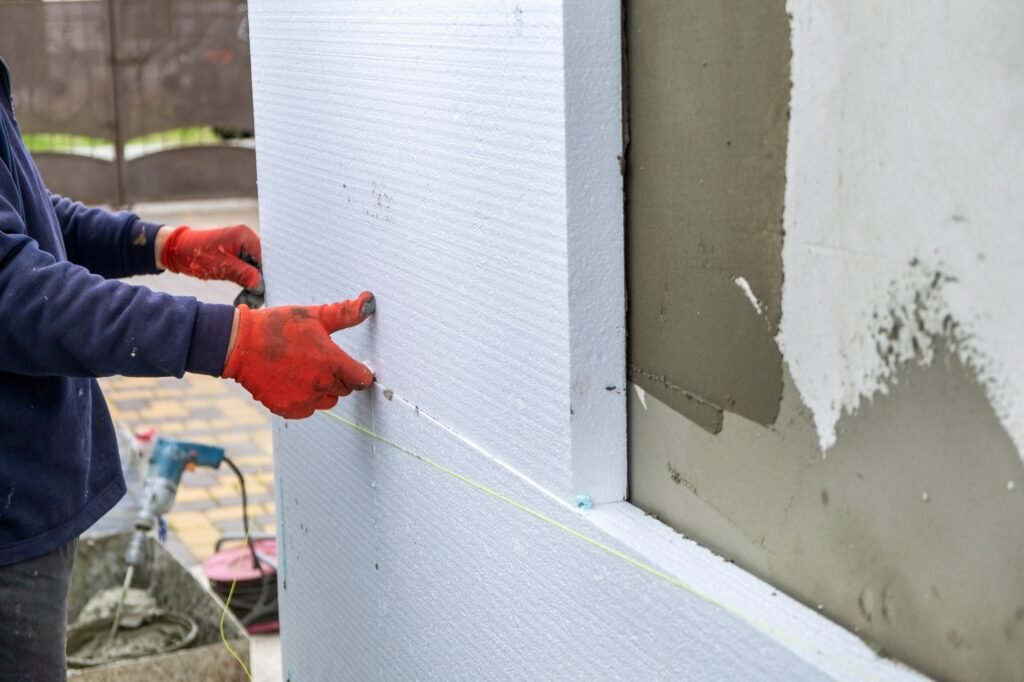
Construction worker installing styrofoam insulation sheets on house facade

3. EIFS (Exterior Insulation and Finish Systems)

  • Ensures long-term performance of insulation layers
  • Reduces water absorption in wall cladding systems
NOVASTAR-Putty-test

4. Joint Fillers & Wall Putty

  • Used in joint fillers, putty, and plaster coatings
  • Helps prevent cracks and shrinkage caused by water exposure
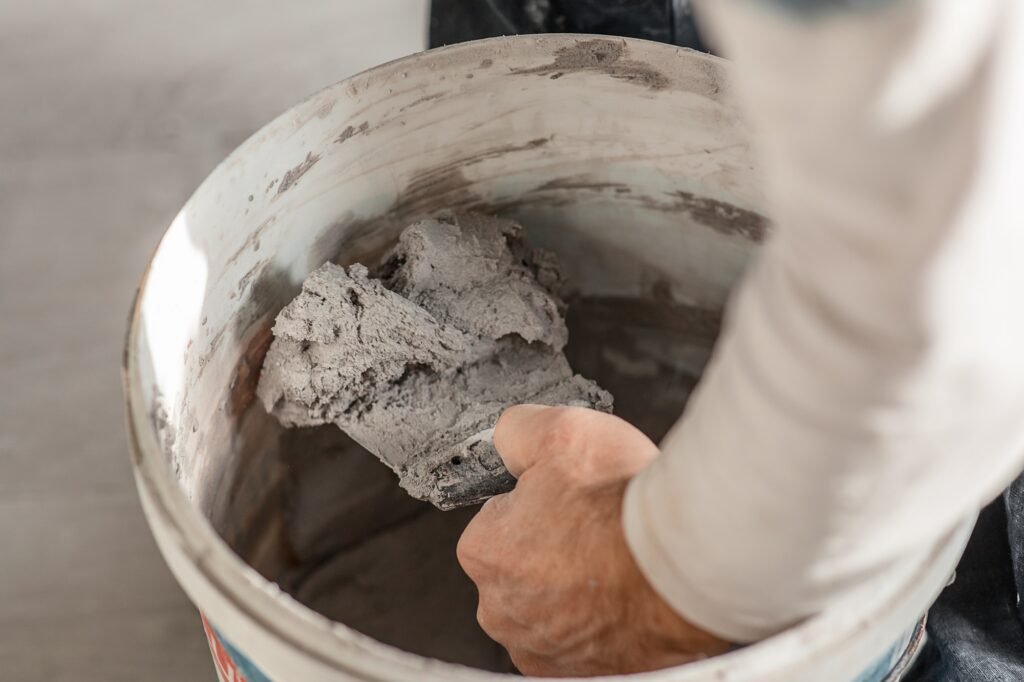
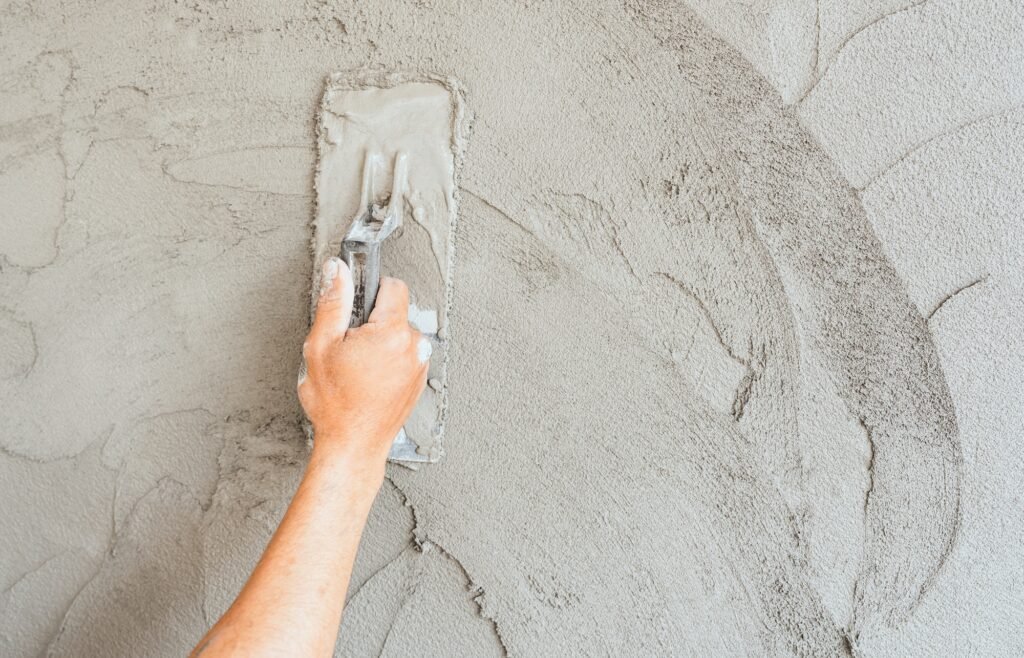
Hand plaster plastering with trowel handle wet grey cement wall background well free space for text

5. Stucco & Plaster

  • Improves moisture resistance of traditional stucco and decorative plaster
  • Ideal for both interior and exterior applications
By incorporating LANDU Silicone Hydrophobic Powder into these materials, construction professionals can achieve superior waterproofing without the need for external coatings.

How to Use Silicone Hydrophobic Powder for Cement?

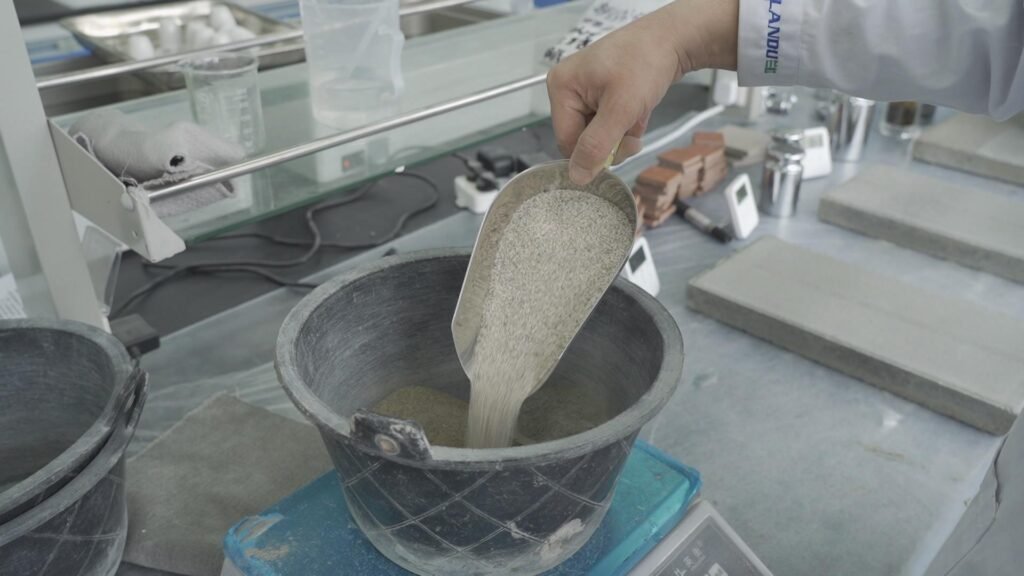
Using silicone hydrophobic powder is simple. It can be added directly to cement-based mixes without any special procedures. Follow these steps for optimal performance:

1. Determine the Dosage

  • Typically, 0.1% – 0.5% of the total cement weight
  • Adjust the dosage based on the level of water resistance needed

2. Mix with Dry Components

  • Blend silicone hydrophobic powder with cement, sand, and other dry materials
  • Ensure even distribution for uniform waterproofing

3. Add Water & Mix Thoroughly

  • Add the required amount of water
  • Use a mixer to blend until a homogeneous mixture is achieved

4. Apply as Needed

  • Use the mix in concrete pouring, tile grouting, joint filling, or mortar applications
  • Ensure proper curing for maximum effectiveness
Pro Tip: Mixing the powder with dry components first ensures better dispersion and prevents clumping.

Best Silicone Hydrophobic Powder for Cement

Not all hydrophobic powders are created equal. The best silicone hydrophobic powders offer high water repellency, durability, and easy integration into cement-based materials.

Top Features to Look for:

Why Choose LANDU Silicone Hydrophobic Powder?

For construction professionals looking for reliable waterproofing solutions, LANDU Silicone Hydrophobic Powder is one of the best choices available.

What is the Difference Between Waterproof Cement & Hydrophobic Cement?

Many people confuse waterproof cement with hydrophobic cement, but they have key differences:
Feature Waterproof Cement Hydrophobic Cement
Composition Contains water-repellent additives Made by grinding Portland cement with a film-forming agent (e.g., oleic acid)
Water Resistance Blocks water penetration completely Repels water but remains breathable
Applications Used in underground structures, basements, and swimming pools Used in damp areas, roofs, and external walls
Flexibility Less flexible, may crack over time More flexible, allows slight movement

Which One is Better?

Hydrophobic Powder Examples

There are different types of hydrophobic powders available in the market, including:

Silicone-Based Hydrophobic Powders – Used for cement, concrete, and mortar
Fluoropolymer Powders – Used in high-performance coatings
Stearate-Based Hydrophobic Agents – Used in low-cost waterproofing applications
Redispersible Polymer Powders – Improve both water resistance and flexibility

LANDU Silicone Hydrophobic Powder vs. Other Hydrophobic Agents

For construction applications, silicone-based hydrophobic powders offer the best long-term waterproofing performance.

NOVASTAR-Laboratories-1

Conclusion: Why Use LANDU Silicone Hydrophobic Powder?

Waterproofing is essential for long-lasting cement structures. By using LANDU Silicone Hydrophobic Powder, you can achieve:
Whether you’re working on concrete, tile grouts, EIFS, or wall putty, this silicone-based additive ensures exceptional performance.

Ready to Upgrade Your Cement with Advanced Waterproofing?

Facebook
LinkedIn

Diverse Applications

Need More Help?

Reach out to Novastar Today for detailed information and guidelines!

en_USEnglish

Contact Us

LANDU is ready to help you solve your problems and recommend suitable products to you.