Polycarboxylate Superplasticizers for UHPC Concrete: The Solution to Workability Challenges?
What You Need to Know
Key Details
What is PCE Superplasticizers for UHPC?
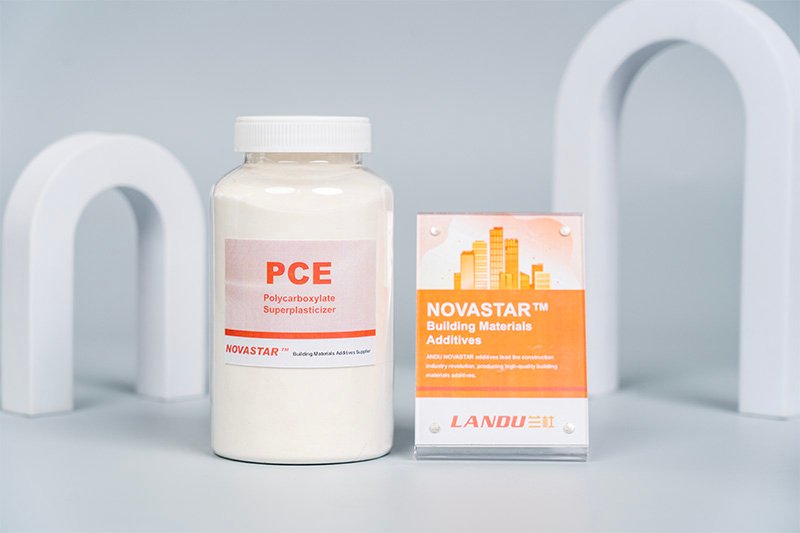
A high-performance water-reducing agent specifically designed to enhance workability and strength in Ultra-High Performance Concrete (UHPC).
Main Benefits
Superior Dispersion, High Water Reduction, Enhanced Strength
Best For
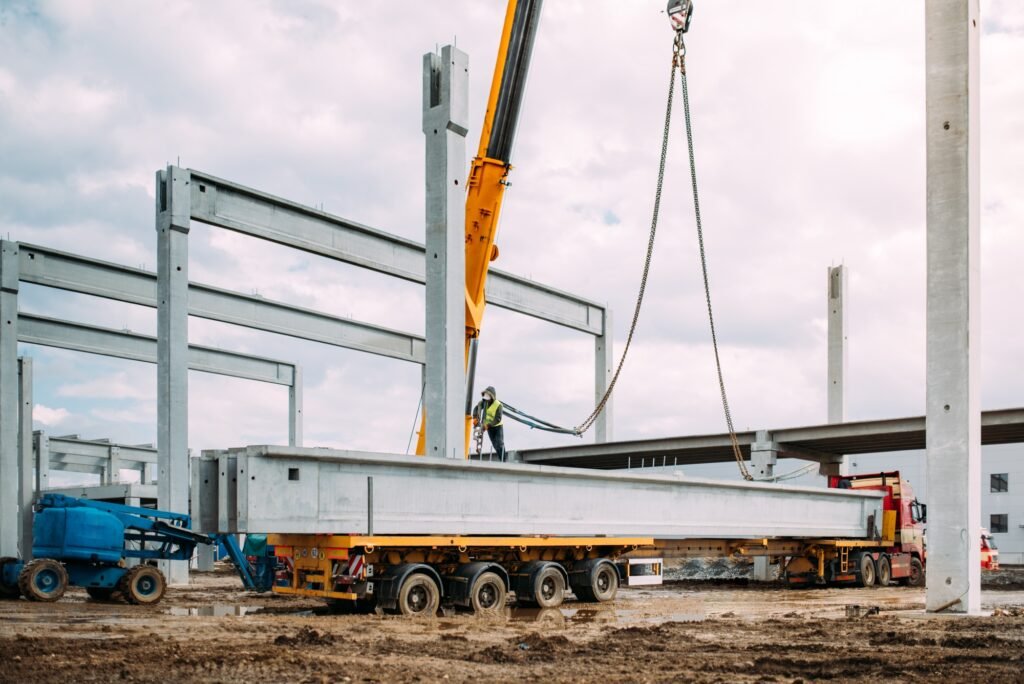
High-rise buildings, bridges, precast elements, any application demanding exceptional strength and durability.
Cost Range
High-performance, high-value investment for demanding UHPC applications.
Are you struggling with workability issues in your UHPC mixes, hindering your ability to achieve the desired strength and durability? Then LANDU NOVASTAR Polycarboxylate Superplasticizers (PCEs) might be exactly what you need. Let’s explore how our PCEs are revolutionizing UHPC concrete.
How Can Polycarboxylate Superplasticizers Transform Your UHPC Concrete?
UHPC is renowned for its exceptional strength and durability, making it ideal for demanding construction applications. However, achieving these superior properties requires extremely low water-to-cement ratios, which can lead to significant workability challenges. Traditional superplasticizers often fall short in providing the necessary dispersion and flowability for these highly specialized mixes. This is where Polycarboxylate Superplasticizers (PCEs) step in as game-changers.
According to research published by the American Concrete Institute, UHPC typically requires water-to-cementitious material ratios below 0.25, creating unprecedented challenges for workability management. Traditional superplasticizers based on lignosulfonates or sulfonated naphthalene formaldehyde can only achieve water reduction rates of 15-25%, which is insufficient for UHPC applications requiring optimal flowability while maintaining structural integrity.
Understanding the Science Behind Polycarboxylate Superplasticizers
Polycarboxylate Superplasticizers (PCEs) are advanced, synthetic polymers designed to act as highly effective water-reducing agents and dispersants in concrete. Imagine them as tiny, molecular “traffic controllers” within your UHPC mix, ensuring each cement particle moves freely and doesn’t clump together. Unlike older superplasticizers based on lignosulfonates or sulfonated naphthalene formaldehyde (SNF), PCEs boast a unique comb-like molecular structure that enables superior performance. They consist of an anionic backbone, typically composed of carboxylate groups, and nonionic pendant chains, usually polyoxyethylene (POE) or similar chains.
The molecular architecture of PCEs represents a significant advancement in concrete admixture technology. Research conducted by leading concrete technology institutes demonstrates that the comb-shaped polymer structure provides unprecedented control over cement particle dispersion, making PCEs particularly effective in high-performance concrete applications where traditional admixtures fall short.
Mechanism of Action: How PCE Superplasticizers Excel in UHPC Applications
PCEs work through a dual mechanism of steric hindrance and electrostatic repulsion to dramatically improve the dispersion of cement particles in UHPC:
Steric Hindrance: The Molecular Barrier System
Picture the comb-shaped PCE molecule attaching to a cement particle. The long, flexible side chains (POE) extend outwards, acting as physical barriers that prevent adjacent cement particles from getting too close and clumping together. It’s like having a personal “bouncer” for each cement particle, keeping them separated and moving freely.
This steric stabilization mechanism is particularly crucial in UHPC applications where the extremely low water content creates conditions prone to particle agglomeration. The polyoxyethylene side chains create a three-dimensional protective layer around each cement particle, maintaining optimal spacing for hydration reactions while ensuring workability.
The anionic backbone of the PCE Superplasticizer molecule carries a negative charge. Since cement particles also develop a negative charge in water, the negatively charged PCE backbone further enhances the repulsion between cement particles, driving them apart. This combined action leads to:
Enhanced Dispersion: Cement particles are uniformly distributed throughout the mix
Reduced Water Demand: Less water is needed to achieve the desired workability
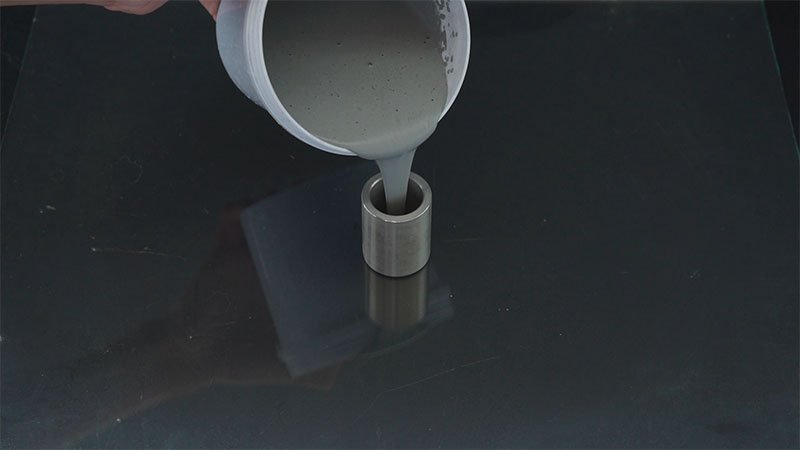
Improved Flowability: The UHPC mix becomes easier to pour and place
Minimized Segregation: Prevents the separation of different components in the mix
LANDU NOVASTAR Specialized PCE Applications in UHPC Systems
NOVASTAR PCE Superplasticizers aren’t a one-size-fits-all solution. Their molecular structure can be customized to optimize performance for specific UHPC mixes and application requirements. In general, UHPC applications can be categorized as follows:
High Early Strength UHPC
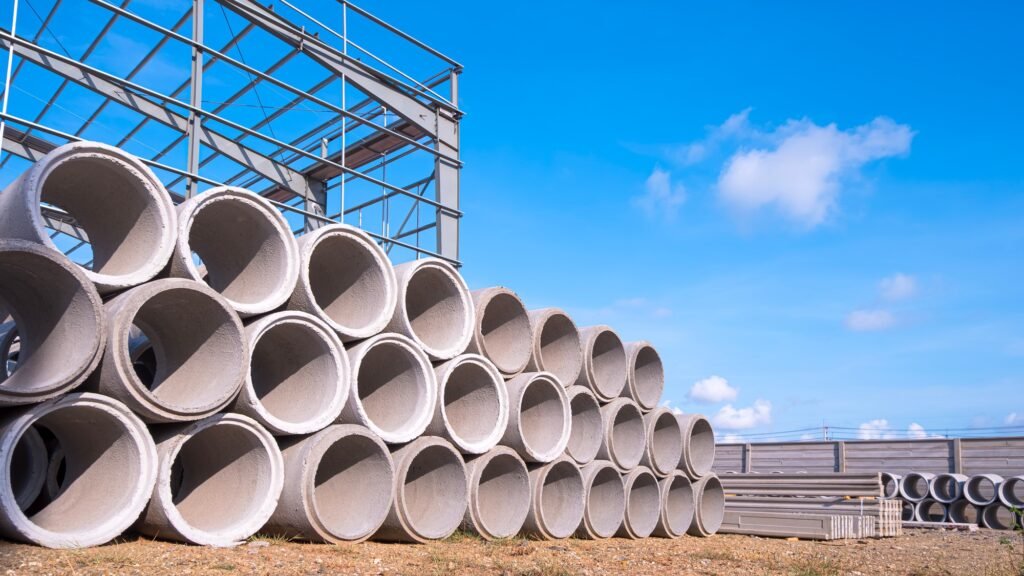
Used for precast elements where rapid demolding and handling are crucial. PCE Superplasticizers designed for this application accelerate hydration and strength development. These specialized formulations typically feature shorter side chains and optimized charge density to promote early cement hydration while maintaining workability.
Self-Consolidating UHPC (SC-UHPC)
Designed for intricate formwork and complex geometries, requiring exceptional flowability without vibration. PCE Superplasticizers for SC-UHPC provide extended slump retention and minimize segregation. The molecular design emphasizes longer polyoxyethylene chains and controlled charge distribution to achieve superior flow characteristics.
Infrastructure-Grade UHPC
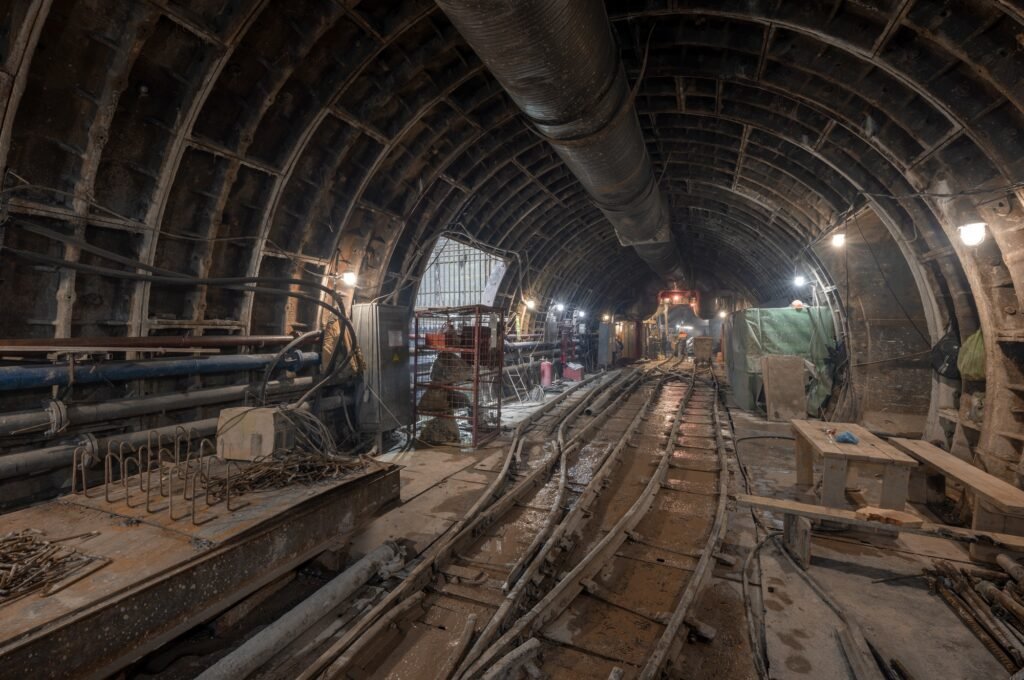
Used in bridges, tunnels, and other infrastructure projects demanding high durability and long service life. PCEs for this application enhance resistance to chloride penetration, freeze-thaw cycles, and other environmental factors. These formulations incorporate specialized side chain architectures that improve pore structure refinement and reduce permeability.
The selection of the right NOVASTAR PCE depends heavily on the specific UHPC mix design, cement type, supplementary cementitious materials (SCMs), and desired performance characteristics.
cURL Too many subrequests.
cURL Too many subrequests.
cURL Too many subrequests.
cURL Too many subrequests.
cURL Too many subrequests.
cURL Too many subrequests.
cURL Too many subrequests.
cURL Too many subrequests.
cURL Too many subrequests. cURL Too many subrequests.
cURL Too many subrequests.
cURL Too many subrequests.
cURL Too many subrequests.
cURL Too many subrequests.
cURL Too many subrequests.
cURL Too many subrequests.
cURL Too many subrequests.
cURL Too many subrequests.
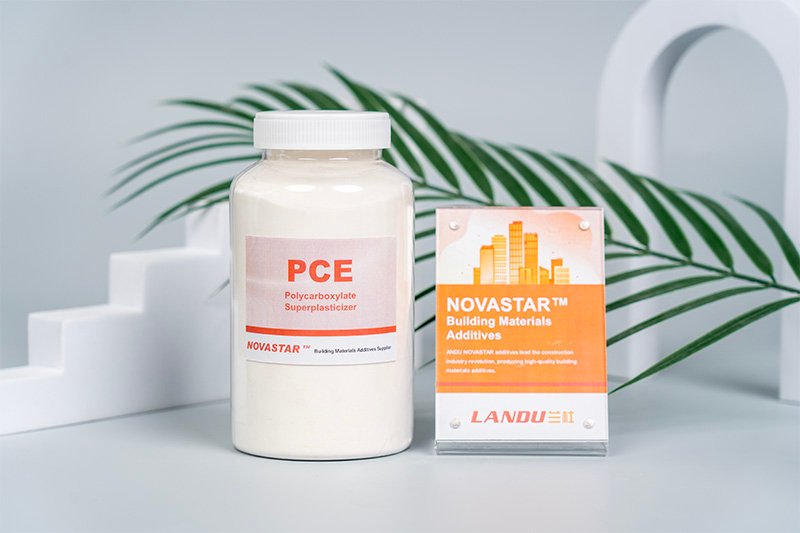
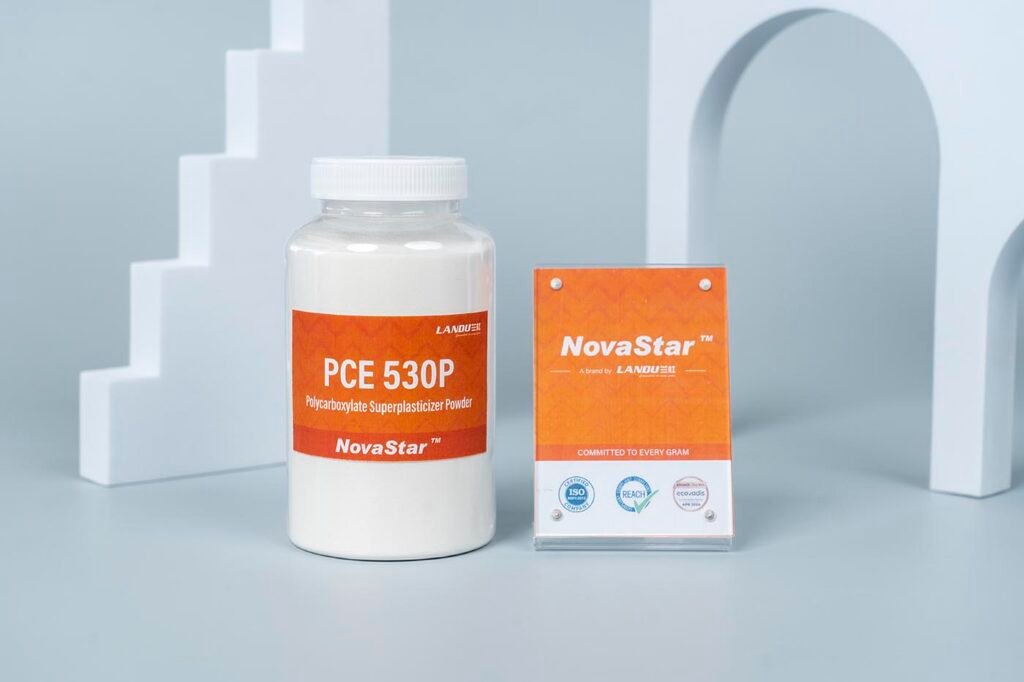
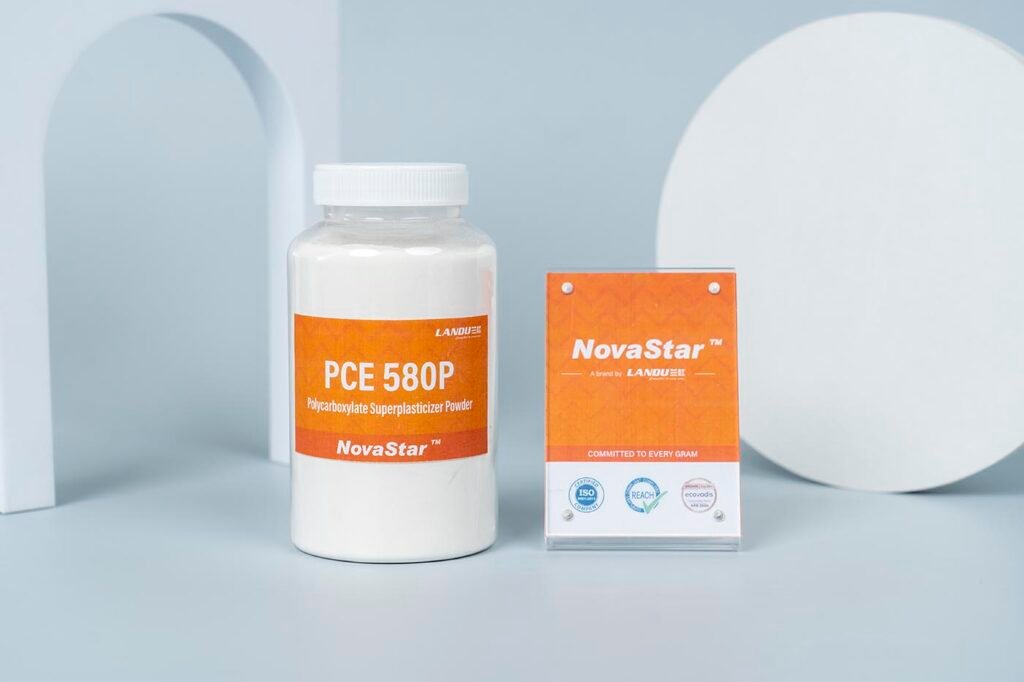
NOVASTAR PCE 530P
cURL Too many subrequests.
General-purpose PCE for UHPC, providing excellent water reduction and workability.
Key Features
High water reduction, excellent slump retention, compatible with a wide range of cement types.
Οφέλη
Improved strength and durability, ease of placement, reduced segregation.
LANDU is committed to providing you with not only high-quality products but also expert technical support to ensure your success with UHPC. Contact us today to learn more about how NovaStar PCE Superplasticizer Series can optimize your UHPC mixes.
Technical Selection Guide for UHPC Applications
Critical Selection Factors
Choosing the appropriate PCE Superplasticizer for your UHPC mix depends on a variety of factors:
Desired Workability: Are you aiming for a highly flowable, self-consolidating mix or a more conventional, vibrated mix?
Early Strength Requirements: Do you need rapid strength development for precast applications?
Environmental Conditions: Will the UHPC be exposed to harsh environments requiring enhanced durability?
Cement Type and SCMs: Consider the compatibility of the PCE Superplasticizer with your specific cement and supplementary cementitious materials.
NOVASTAR Product Selection Matrix
Application
Desired Property
Recommended Product
General Purpose UHPC
High Workability
NOVASTAR PCE 530P
High Early Strength UHPC
Rapid Strength Gain
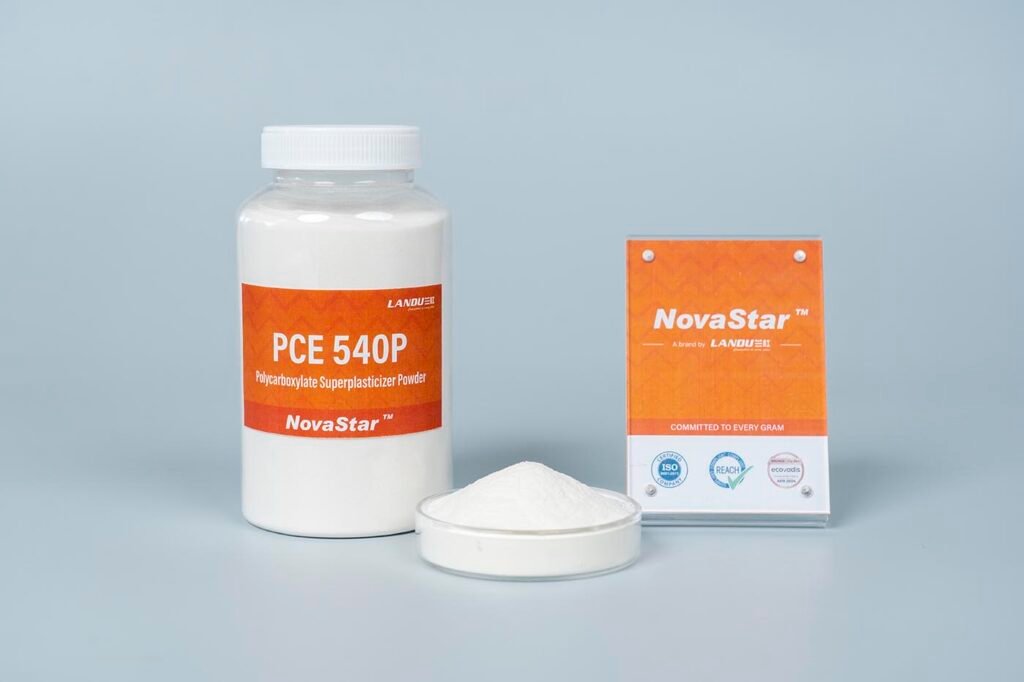
NOVASTAR PCE 540P
UHPC in Harsh Environments
Βελτιωμένη ανθεκτικότητα
NOVASTAR PCE 580P
Troubleshooting Common UHPC-PCE Challenges
Problem
Solution
Premature Slump Loss
Choose a PCE with excellent slump retention properties, such as NOVASTAR PCE 530P. Consider adjusting the dosage or adding a retarder.
Segregation
Ensure proper mix design and use a PCE that promotes stability, such as NOVASTAR PCE 540P. Avoid over-mixing.
Incompatibility with Cement
Test the PCE with your specific cement type to ensure compatibility. Contact NOVASTAR for technical assistance in selecting the appropriate PCE.
Best Practices for PCE Usage in UHPC
Dosage Optimization
Typically, the dosage of PCE in UHPC ranges from 0.5% to 3.0% by weight of cementitious materials. The optimal dosage should be determined through trial mixes. Factors affecting dosage include:
Cement fineness and chemical composition
cURL Too many subrequests.
cURL Too many subrequests.
cURL Too many subrequests.
Διαδικασίες Μίξης
cURL Too many subrequests.
cURL Too many subrequests.
cURL Too many subrequests.
cURL Too many subrequests.
cURL Too many subrequests.
cURL Too many subrequests.
cURL Too many subrequests.
cURL Too many subrequests.
cURL Too many subrequests.
cURL Too many subrequests.
cURL Too many subrequests.
cURL Too many subrequests.
cURL Too many subrequests.
cURL Too many subrequests.
Προδιαγραφές
cURL Too many subrequests.
Συσκευασία
cURL Too many subrequests.
Minimum Order Qty
500 kg
Χρόνος Παράδοσης
Typically 7-14 days, depending on order quantity and product availability
Όροι Πληρωμής
T/T, L/C, OA, και άλλα
Επιλογές Αποστολής
Εμπορευματοκιβώτιο θαλάσσιας μεταφοράς με CIF, FOB, CFR, και άλλα
Πολιτική Δειγμάτων
Free samples (200g–600g) along with tailored solutions
LANDU: Industry-Leading Quality and Support
LANDU operates with state-of-the-art manufacturing facilities and stringent quality control measures to ensure consistent product performance. Our R&D team is dedicated to developing innovative PCE solutions that meet the evolving needs of the UHPC market. We are committed to providing you with exceptional products and technical support to help you achieve success with UHPC. Our quality management system incorporates ISO 9001:2015 standards and industry-specific quality protocols to ensure consistent product performance across all manufacturing batches. Regular third-party testing and continuous process monitoring guarantee that every NOVASTAR product meets or exceeds published specifications.
Conclusion: Transforming UHPC Performance with Advanced PCE Technology
Polycarboxylate Superplasticizers are essential for unlocking the full potential of UHPC, enabling you to achieve exceptional strength, durability, and workability. With LANDU’s NovaStar PCE Superplasticizer Series, you can confidently tackle even the most demanding UHPC projects.
The integration of advanced polycarboxylate superplasticizer technology represents a paradigm shift in UHPC formulation, enabling concrete producers to achieve previously unattainable combinations of strength, workability, and durability. As infrastructure demands continue to evolve toward higher performance standards, PCEs provide the technological foundation necessary to meet these challenges.
Ready to transform your UHPC concrete? Contact NOVASTAR today to request a sample and discuss your specific requirements with our technical experts.
Frequently Asked Questions - Polycarboxylate Superplasticizer in UHPC Concrete
Water Reduction Rate: Indicates how effectively the PCE reduces water demand while maintaining workability.
Slump Retention: Measures how well the PCE maintains the initial slump (flowability) of the UHPC mix over time.
Compressive Strength Development: Evaluates the impact of the PCE on the early and ultimate compressive strength of the UHPC.
Durability Performance: Assesses the PCE’s contribution to the UHPC’s resistance to chloride penetration, freeze-thaw cycles, and other environmental factors.




 Ελληνικά
  English
  العربية
  Deutsch
  Українська
  Español
  Español de Perú
  Français
  Magyar
  Bahasa Indonesia
  Italiano
  Português
  Türkçe
  Русский
  Nederlands
  Slovenčina
  Svenska
  Български
  Čeština
  Dansk
Dansk  Eesti
Eesti  Suomi
Suomi  日本語
日本語  한국어
한국어  Lietuvių kalba
  Latviešu valoda
  Norsk bokmål
  Polski
  Română
  Português do Brasil
  Slovenščina